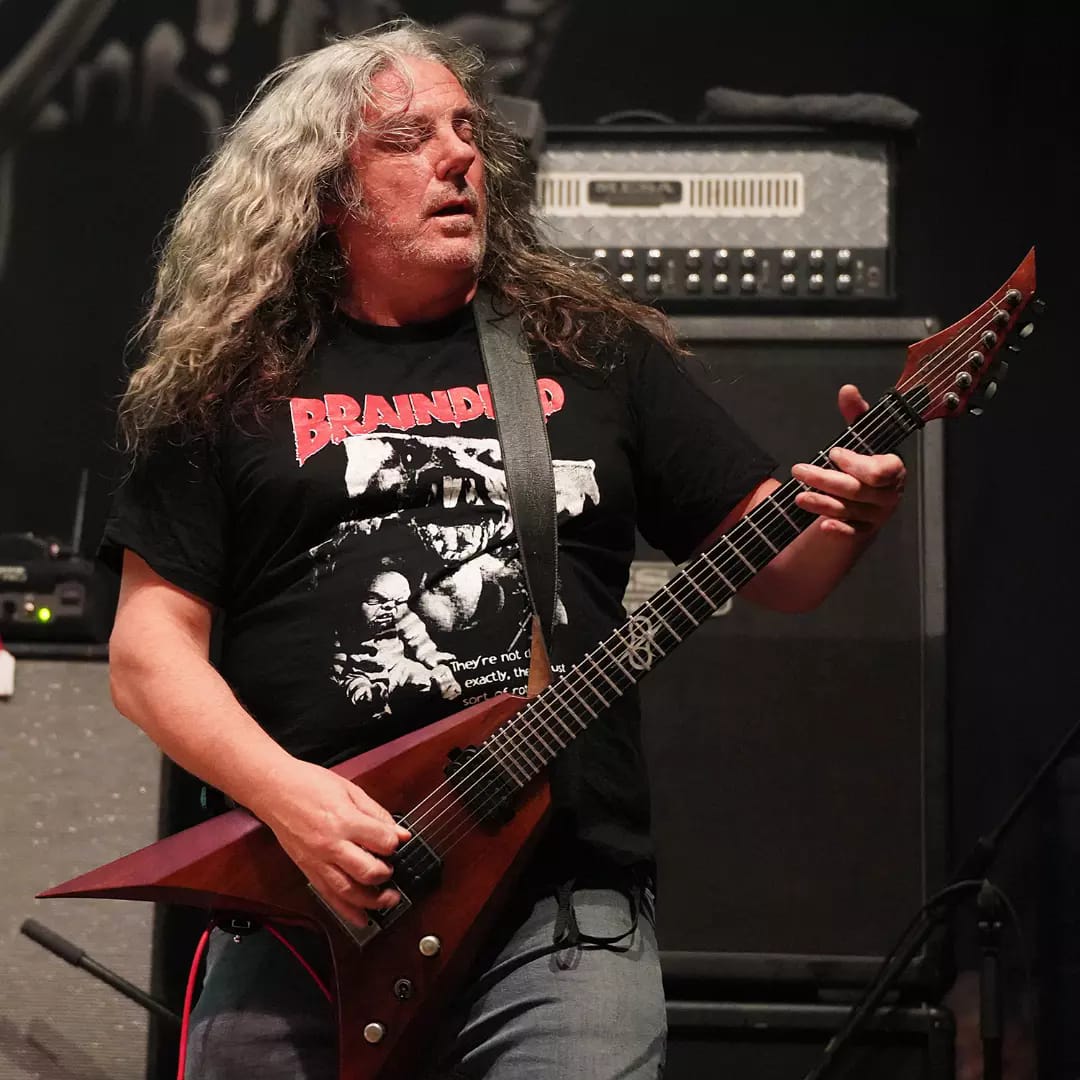
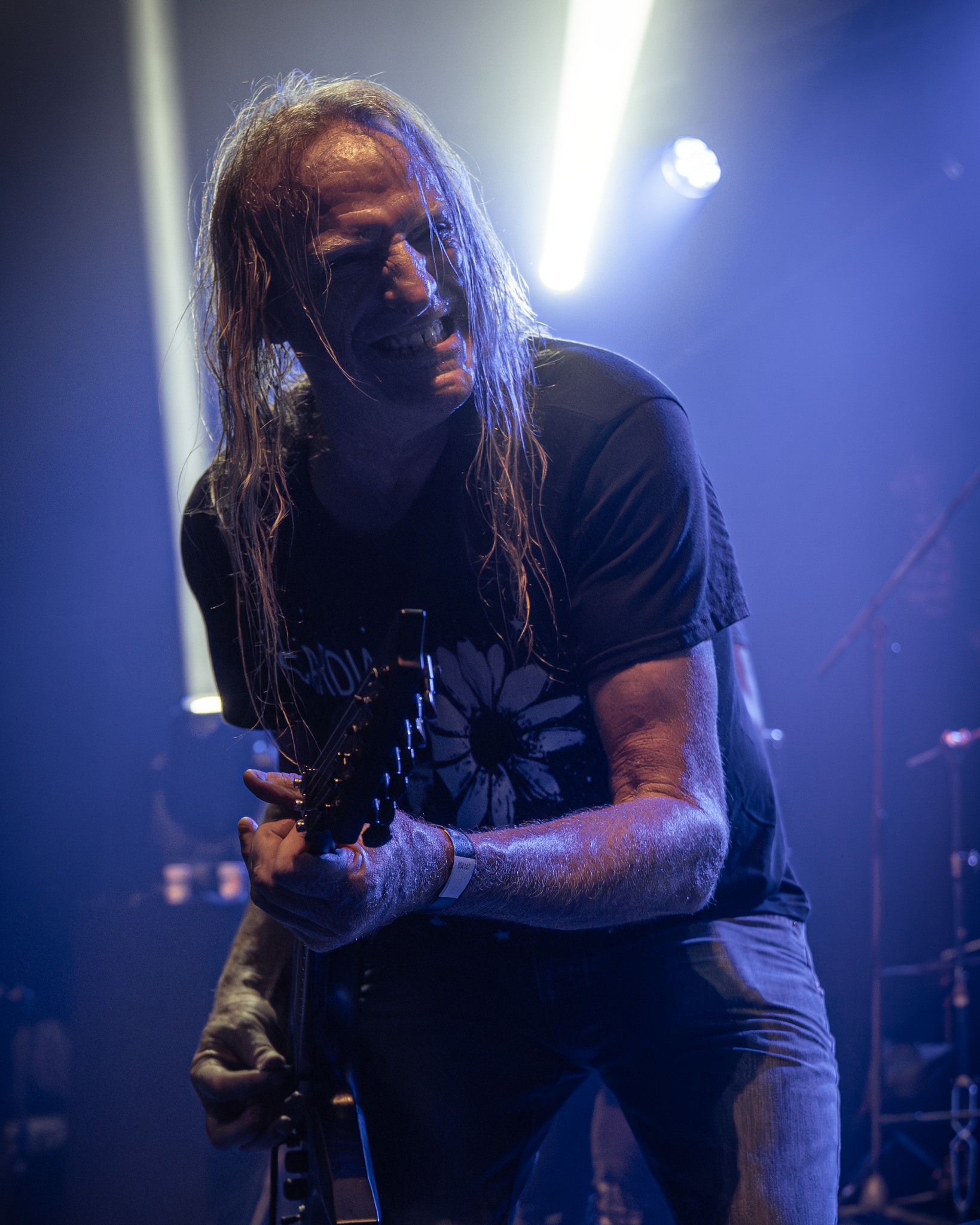
Benediction
One of those British death metal bands whose history is inseparably tied to Birmingham - the city of heavy music that gave the world Black Sabbath, Judas Priest, and an entire school of hard, stubborn, street-born metal. The band was formed in 1989 and almost immediately made a statement with the demo «The Dreams You Dread», which brought them to the attention of Nuclear Blast - a label with which they would go on to build their entire major career. As early as 1990, Benediction solidified this start with a split release with Pungent Stench and their debut full-length album «Subconscious Terror», quickly establishing themselves as one of the most notable British forces in early death metal.
In their early years, the musicians themselves admitted they weren’t thinking about a big career. It seemed to them that death metal would remain something local, almost underground, and that the band itself would just play in pubs and release demos for a narrow circle of insiders. However, it was precisely in this naive honesty that the character of Benediction was born. The band emerged from tape-trading culture, from cassette exchanges, rehearsal rooms, early chaotic gigs, and a scene where everything was decided not by money or trends, but by the strength of the material and dedication to the craft. As the members later recalled, at the beginning they thought they would simply remain a «demo band», and that everything happening around the death metal scene was still too fragile to be seen as a real future.
First steps and vocalist changes
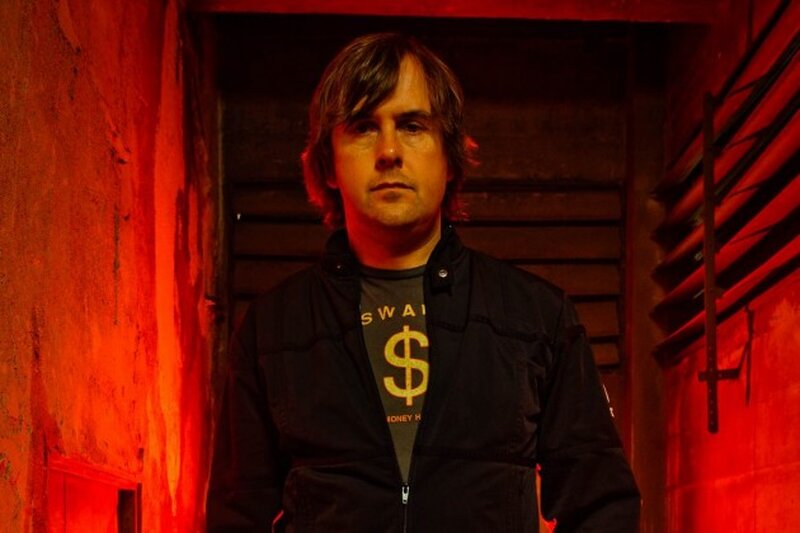
At the earliest stage, the microphone was held by Mark «Barney» Greenway, who would later become the iconic voice of Napalm Death. With him, Benediction recorded «Subconscious Terror», after which Barney fully focused on Napalm Death, and his place was taken by Dave Ingram - a vocalist destined to become one of the most recognizable voices in the band’s history. According to the musicians, during the Barney era the band managed to play only a handful of early shows, but it was this period that laid the foundation for everything that followed.
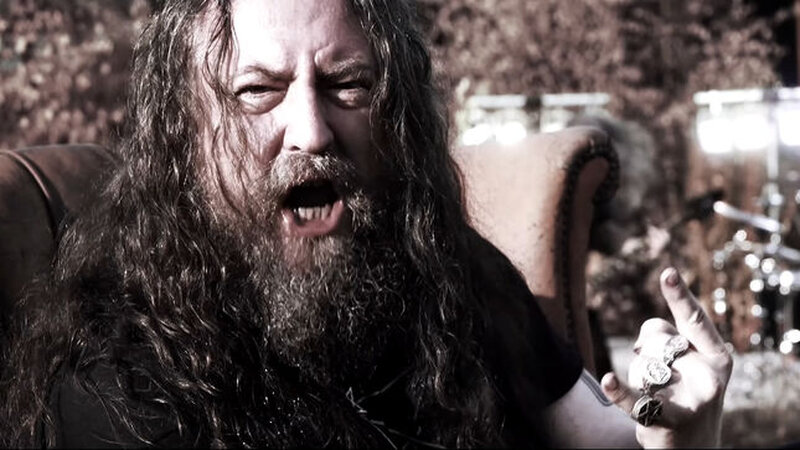
With Ingram’s arrival, the band not only maintained momentum but began rapidly strengthening its position. His growling, dark, yet clear and expressive vocals fit perfectly with Benediction’s music, where not only speed and aggression matter, but also the heavy, swinging motion of the riffs. Over time, this very combination - brutal guitar structures and a recognizable vocal style - became the band’s defining image for many fans. Later, Dave himself recalled that his connection with Benediction felt so natural that even decades later, his return to the lineup happened almost instantly, as if the pause between eras had never existed.
Rise in the nineties
The early nineties became a time of rapid consolidation of status for Benediction. The albums «The Grand Leveller» (1991), EP «Dark Is the Season» (1992), «Transcend the Rubicon» (1993), EP «The Grotesque / Ashen Epitaph» (1994), and «The Dreams You Dread» (1995) ultimately shaped the band’s identity. Benediction never aimed to be the most technical or fastest death metal band, but they managed to create something far harder to imitate: their own signature. Their music combined dense rhythm, heavy mid-tempo ударs, old-school fury, and a clear understanding of how the material would work live.
The musicians repeatedly emphasized that they wrote songs not as technical exercises, but as music for direct interaction with the audience. For Benediction, it was always important that listeners didn’t just hear the music, but physically reacted - moving, colliding, living within that force. Hence their special attitude toward groove: even at their most aggressive moments, the band left space for swing, for that heavy «drive» that set them apart from many peers. Darren Brookes openly stated that he often imagined not the complexity of a part, but how it would look on stage and how the crowd would respond.
Name, image, and self-irony
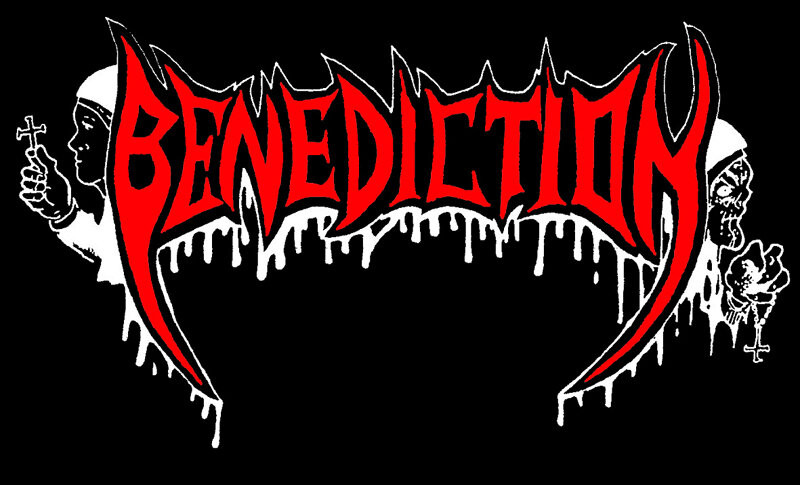
Interestingly, even in their own symbolism, Benediction always left room for a distinct British self-irony. According to Darren Brookes, the band’s name didn’t come from any deep concept - it was almost random: they simply liked the sound of words ending in «-tion». The logo and the visual concept with the «good» and «evil» nun appeared thanks to an artist friend, with ideas discussed literally over a pint in a pub. This episode clearly reflects one of Benediction’s defining traits: despite the heaviness of their music, they never tried to present themselves as overly pompous or artificially mystified.
Staying true and rejecting trends
One of the key reasons Benediction survived multiple eras of death metal lies in their almost principled refusal to change for the sake of the market. In interviews, the musicians openly said they had been offered more commercial directions at various times, but they never wanted to break their style for better sales. They didn’t aim to become a «trendy new band» or adapt their music to the times. Their position was always clear: if the sound works, if it’s honest and truly reflects the essence of Benediction, then it should be developed - not betrayed.
That is why their work is often seen as a rare example of consistency. Benediction didn’t jump between styles, didn’t dissolve into trends, and didn’t hide their rawness under overly sterile production. Even as their sound became cleaner and more modern, its foundation remained unchanged: riff first, live energy first, song first. The band members repeatedly stressed that they never intended to be the fastest band on the scene or turn their music into a faceless «wall of noise» - they valued power, clarity, and identity.
Maturity, challenges, and a long pause
In the second half of the nineties and beyond, Benediction continued forward as an established force in British death metal. After «The Dreams You Dread», the band released «Grind Bastard» (1998), «Organised Chaos» (2001), and «Killing Music» (2008), remaining true to their style even as the death metal scene itself went through internal crises and reassessments. During this period, Benediction’s philosophy became especially clear: they didn’t strive to be rock stars and weren’t willing to exist only when the genre was at its peak.
After Dave Ingram’s departure in 1998 - primarily due to his move to Denmark and a new life outside the previous touring cycle - a long era of Dave Hunt at the microphone began, lasting until 2019. With him, the band went through the later stage of its history, and the musicians later noted that Benediction was, in a sense, fortunate to have had two strong frontmen: Ingram brought the canonical death metal identity, while Hunt added a different type of stage energy and a broader vocal range.
The gap between «Killing Music» and the next full-length became particularly noticeable. There were several reasons: members’ personal commitments, balancing music with everyday life, geographical distance, difficulties finding the right drummer, and the fact that festival stages more often demanded classic material rather than new songs. The band openly admitted that Benediction was never a group that «paid the bills», meaning every step forward required not just inspiration, but significant personal discipline.
Return of Dave Ingram and the triumph of «Scriptures»
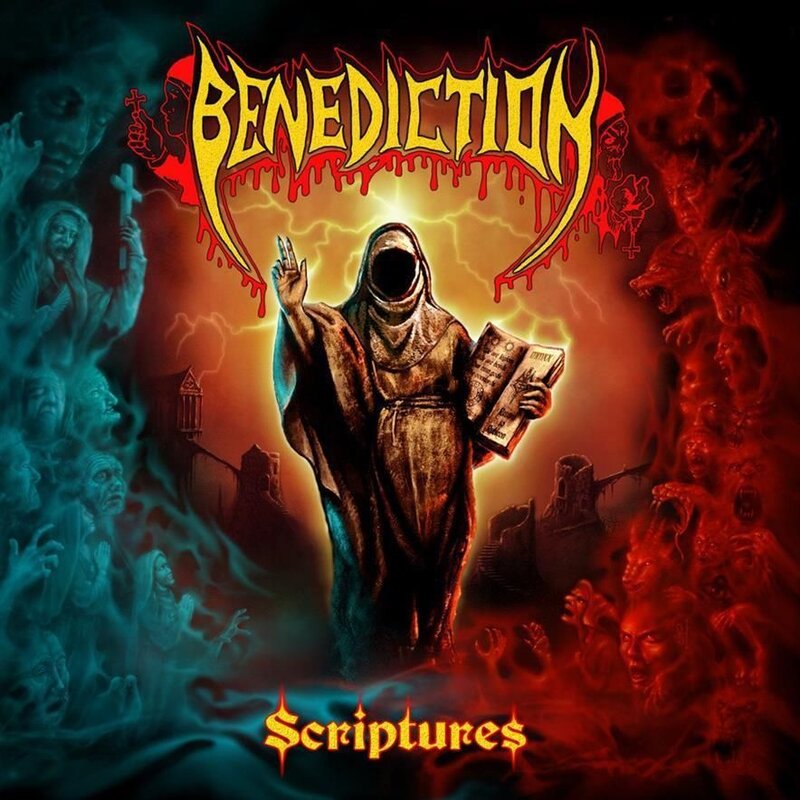
One of the key moments in the band’s history was the return of Dave Ingram. Initially, it was meant to be just a few performances while Dave Hunt couldn’t fully participate due to academic work on his PhD, but it quickly became clear that Ingram’s return was not temporary - it was a natural reunion. As the band recalled, even the first conversation showed that their old understanding had never disappeared, and what started as a temporary idea quickly became a full return.
The result was the album «Scriptures», released on October 16, 2020. This record became not just a comeback, but a powerful confirmation that Benediction could remain relevant without changing their nature. It received strong responses from both press and listeners, and the band explained its success simply: they aimed to create the most honest and genuinely «their own» album possible, without chasing trends or over-polishing. Even in interviews, they emphasized that the key was staying true to their roots and feeling that the lineup had finally come together exactly as it should.
The musicians highlighted that the writing process was collaborative: the UK-based members sent music, Dave Ingram wrote lyrics and recorded demos, and then everything was refined together. This approach preserved a sense of unity despite distance. For Benediction, it proved that the internet and remote collaboration could strengthen, rather than weaken, the spirit of a band - if it is built on shared will and taste. At the same time, «Scriptures» contained internal callbacks to earlier eras - for example, «Iterations of I» consciously continued the theme begun in «I» from «Grind Bastard».
Musical philosophy of Benediction
Benediction is death metal not of the laboratory, but of the body. The band has always relied not on flashy virtuosity, but on the strength of the riff, the heavy pulse of the song, and its ability to work live. The members openly said they often imagine not how difficult a part is to play, but how it will look and feel on stage. Hence their distinct style: crushing drive, hostile acceleration, weighty mid-tempo sections, and clear, forceful rhythm instead of a meaningless race for speed.
At the same time, Benediction does not stand still. Their later recordings sound more modern than the early ones, yet they don’t lose their identity. Production became sharper, guitars more defined, and drums more massive, but the core philosophy remained unchanged: no chasing trends, no artificial polish, no desire to be someone else. It is telling that even decades later, Darren Brookes называл «Subconscious Terror» one of the most important songs in the band’s history - because it was the first composition through which Benediction realized themselves as a unified entity.
The people within the band
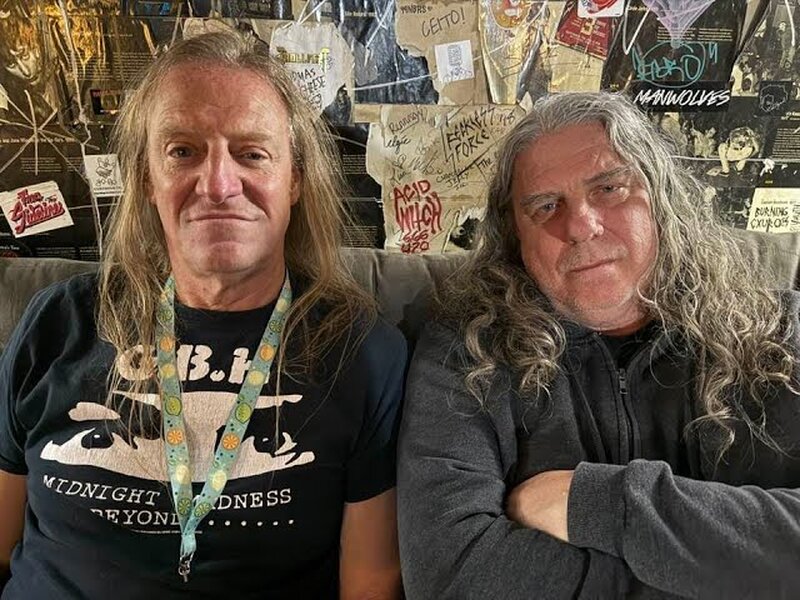
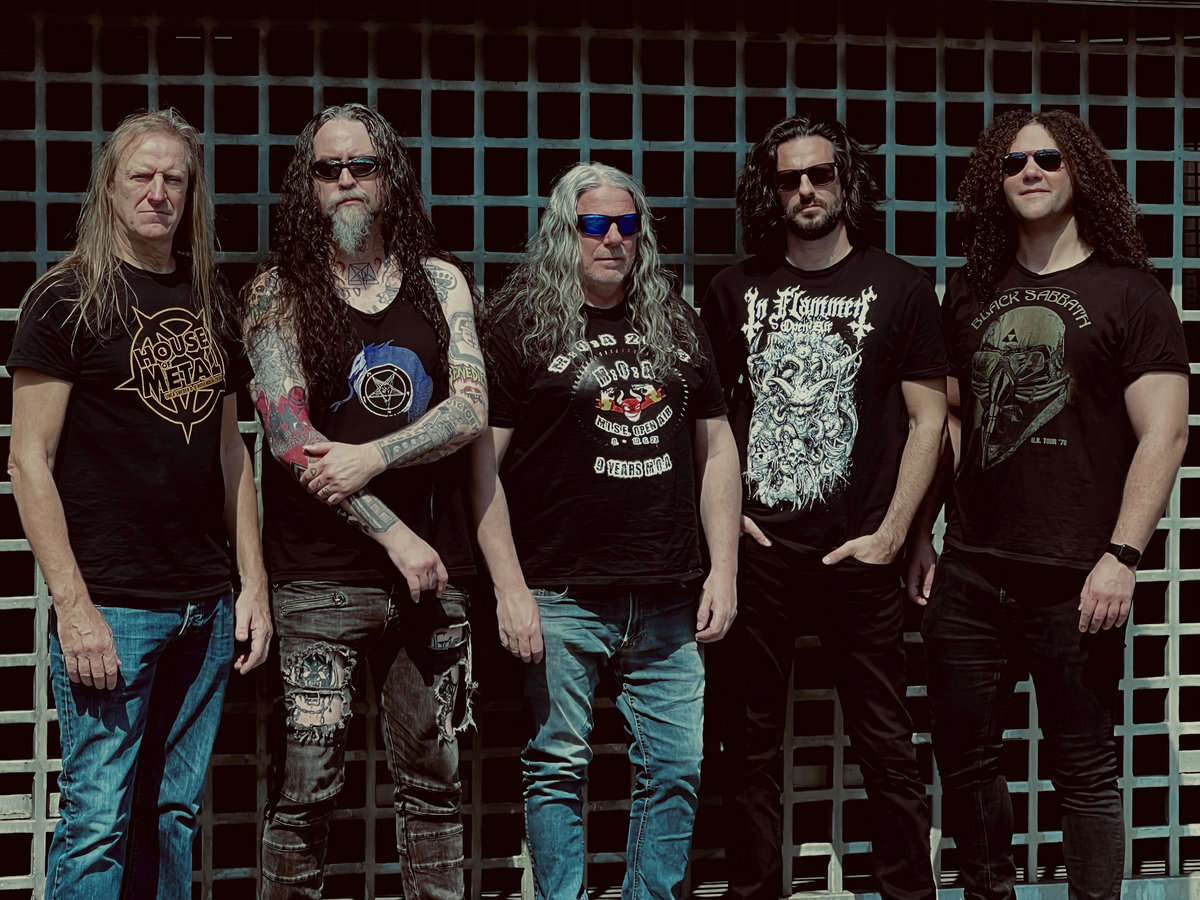
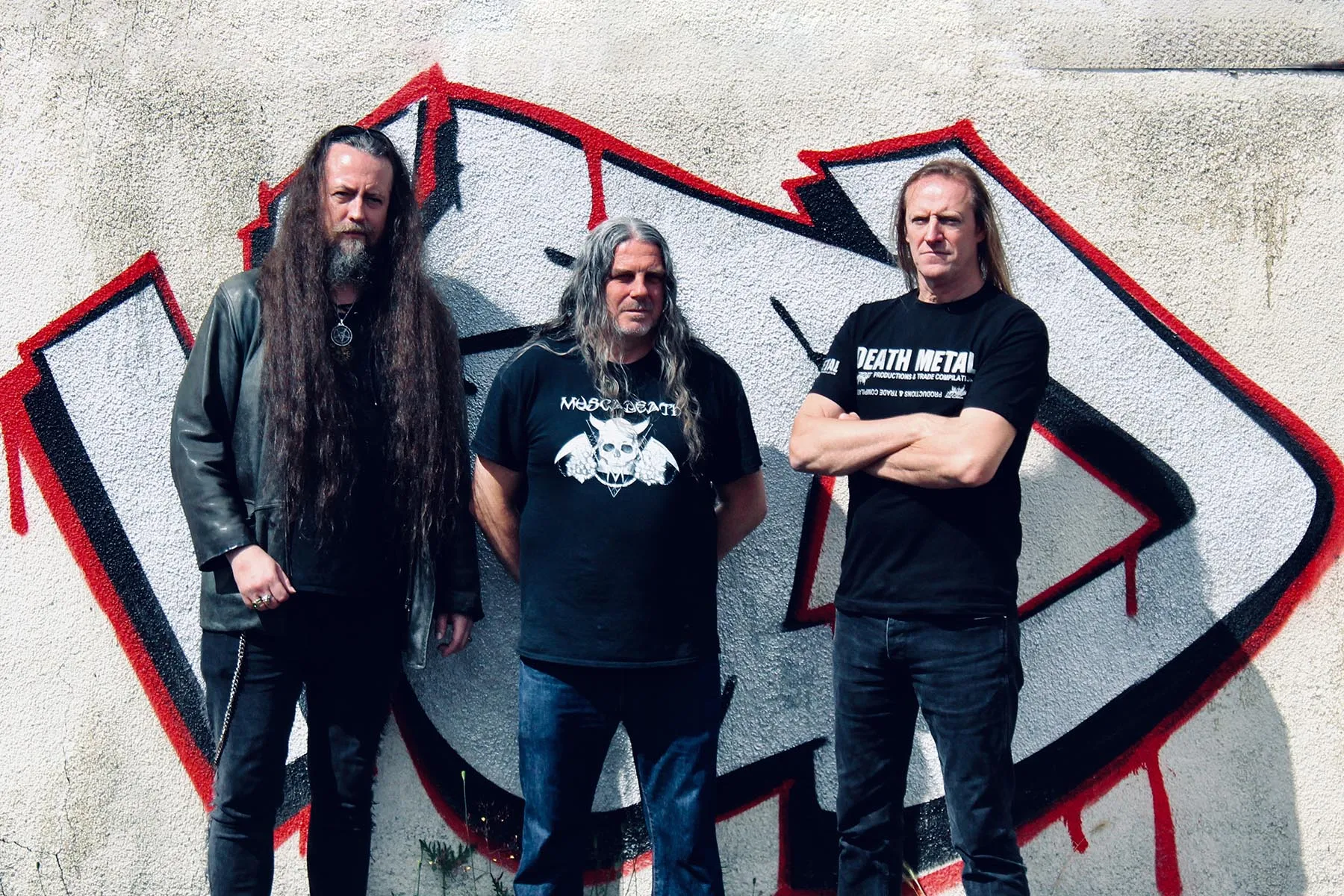
For decades, the core of Benediction has been formed by guitarists Darren Brookes and Peter Rewinsky, around whom the band’s musical framework was built. Over the years, different vocalists, bassists, and drummers worked alongside them, but this guitar axis ensured continuity and recognizability. In the «Scriptures» era, Dan Bate and Giovanni Durst also played important roles: Brookes noted that Gio quickly fit into the spirit of Benediction, preserving the essential sense of groove, rhythm, and inner movement - which has always been just as important to the band as technical skill.
As of April 2026, the band’s lineup revolves around Peter Rewinsky, Darren Brookes, Dave Ingram, and Giovanni Durst. The bass position has recently changed again: Nik Sampson left the band in February 2026, and live bass duties have been taken over by Steve Hill, who had previously assisted the band at selected shows. This means that modern Benediction remains a living, evolving organism, while its creative core still maintains continuity with its classic eras.
Benediction today
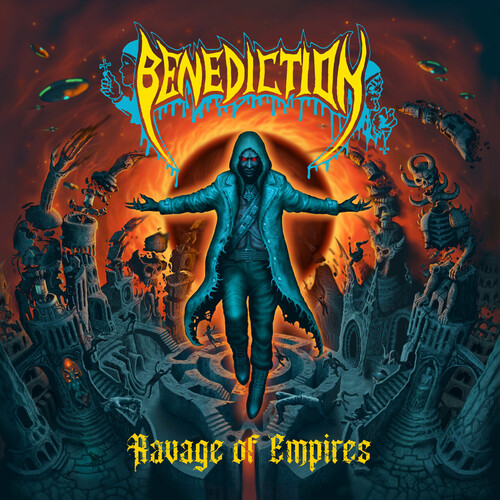
The new chapter of Benediction did not end with «Scriptures». On April 4, 2025, the band released their ninth full-length album, «Ravage of Empires», once again via Nuclear Blast. According to the label, the record continued the line of Benediction’s late resurgence and cemented their status as one of the few old-school death metal bands that not only survived decades but retained creative credibility without compromise. Production was once again handled by Scott Atkins, while the artwork was created by Wolven Claws Artist - the same artist already associated with the band’s modern visual identity.
Today, Benediction is not perceived as a museum artifact of the old school, but as a living, battle-ready band that has managed to retain its identity where many others either disbanded or dissolved into compromise. Their journey is not a story of dramatic rises and falls, but one of resilience, stubbornness, and devotion to death metal as a way of life. They emerged from the underground of Birmingham, survived changes of eras, vocalists, and entire musical climates, yet preserved the most important thing: their name still stands for honest, heavy, unbroken death metal.
Discography

«The Dreams You Dread»
1989 Demo
«Blood, Pus & Gastric Juice - Confess All Goodness (Pungent Stench / Benediction)»
1990-04 Split
«Subconscious Terror»
1990-09-02 Full-length
«The Grand Leveller»
1991-10-10 Full-length
«Dark Is the Season»
1992 EP
«Experimental Stage»
1992 EP
«Nuclear Blast Promo EP II (Macabre / Benediction / Mortification / Gorefest)»
1993 Split
«Transcend the Rubicon»
1993-08-10 Full-length
«The Grotesque - Ashen Epitaph»
1994-02-06 EP
«The Dreams You Dread»
1995-08-08 Full-length
«The Grand Leveller - The Grotesque - Ashen Epitaph»
1996 Compilation
«Grind Bastard»
1998-03-30 Full-length
«Loot, Shoot, Electrocute - The Temple of Set (Pungent Stench / Benediction)»
2001 Split
«Organised Chaos»
2001-10 Full-length
«Transcend the Rubicon - The Dreams You Dread»
2008 Compilation
«Grind Bastard - Organised Chaos»
2008-08-08 Compilation
«Subconscious Terror - The Grand Leveller»
2008-08-08 Compilation
«Killing Music»
2008-08-22 Full-length
«Dark Is the Season - The Grotesque»
2015 Compilation
«Subconscious Terror - The Grand Leveller»
2016-12-17 Compilation
«Scriptures»
2020-10-16 Full-length